
BREAKING WORLD NEWS • UPDATED MAY 7, 2026
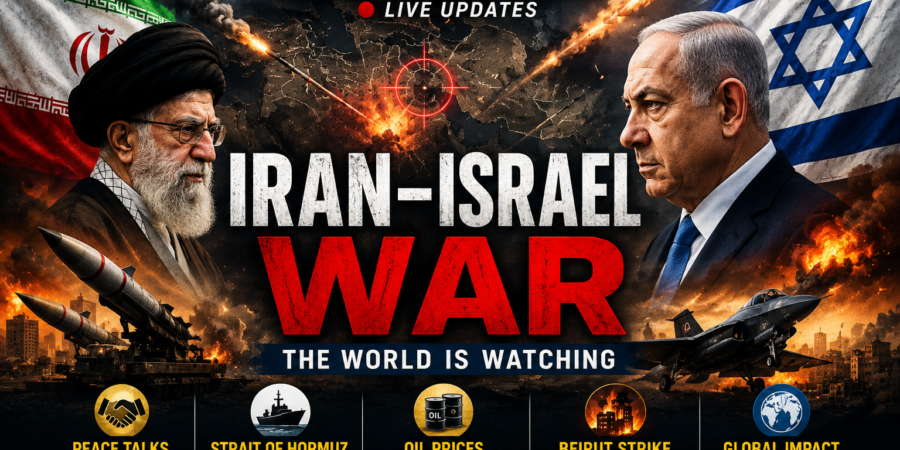
Iran–Israel War Today: Iran Reviews U.S. Peace Proposal as Hormuz Tensions Raise Global Alarm
Iran is reviewing a U.S.-backed peace proposal while the Strait of Hormuz, oil markets, Lebanon strikes, and regional security risks remain at the center of the Middle East crisis.
Focus Keyword: Iran Israel war today
SEO Title: Iran–Israel War Today: Peace Deal Talks, Hormuz Crisis and Latest Middle East Updates
Meta Description: Latest Iran–Israel war update: Iran reviews U.S. peace proposal, Hormuz shipping tensions rise, Israel strikes Beirut, and oil markets react to Middle East conflict.
Quick Summary
Peace Talks
Iran is reviewing a U.S. proposal aimed at stopping the fighting, with Pakistan reported as a mediation channel.
Hormuz Crisis
The Strait of Hormuz remains a key global concern because disruption there directly affects oil, gas, shipping and prices.
Regional Risk
Israel’s latest strike in Beirut has added another layer of tension involving Hezbollah and Lebanon.
What Happened Today?
The Iran–Israel war remains one of the most closely watched global news stories today as diplomatic pressure increases for a temporary pause in fighting. According to international reports, the United States and Iran are exploring a short-term arrangement that could stop the fighting, while Iran reviews a U.S. proposal delivered through diplomatic channels. The most sensitive issues, including Iran’s nuclear programme and long-term security guarantees, are still unresolved.
The crisis is not limited to military strikes. It is also affecting global shipping, oil prices, airline routes, fuel supply, and the wider Middle East security balance. The Strait of Hormuz is especially important because it is one of the world’s most strategic energy routes. Any disruption there can quickly affect oil and gas prices across Asia, Europe, Africa, and the global market.
Why the Strait of Hormuz Matters
The Strait of Hormuz is a narrow waterway between Iran and Oman that connects the Persian Gulf with the Arabian Sea. A large share of global oil and liquefied natural gas trade passes through this route. Because of this, every political or military move around Hormuz is watched closely by governments, energy companies, shipping firms, and financial markets.
Today’s reports say Iran has created a new authority connected to the regulation of shipping in the Persian Gulf and Strait of Hormuz area. This move has raised concern because it could affect international navigation, shipping costs, insurance prices, and energy supply chains.
Why readers are searching this topic
People are searching for this story because it connects war, oil prices, U.S. diplomacy, Israel, Iran, Hezbollah, Lebanon, and global economic risk in one major crisis.
Israel, Lebanon and Hezbollah: The Regional Front
The conflict has also widened attention toward Lebanon. Israel carried out a strike in Beirut’s southern suburbs, and Israeli Prime Minister Benjamin Netanyahu said there would be “no immunity” for militants. The strike reportedly targeted a Hezbollah commander and came despite earlier efforts to reduce fighting through ceasefire arrangements.
This matters because Hezbollah is one of Iran’s closest regional allies. Any escalation between Israel and Hezbollah can increase the risk of a wider Middle East war. Even when direct Iran–Israel fighting slows, the Lebanon front can keep the region unstable.
Oil Prices and Global Market Impact
Energy markets are reacting quickly to peace hopes and Hormuz uncertainty. When reports suggest a possible U.S.–Iran deal, oil prices may fall because traders expect supply routes to reopen. But when tensions rise near Hormuz, prices can climb again because buyers fear fuel shortages, higher shipping costs, and supply delays.
For ordinary people, this crisis can affect petrol prices, airline tickets, food transport costs, electricity costs, and imported goods. That is why the Iran–Israel war is not only a regional security issue but also a global economic story.
What Could Happen Next?
The next important development will be Iran’s official response to the U.S. peace proposal. If Iran accepts a temporary deal, the fighting may slow and markets may calm. If the proposal fails, the crisis could continue, especially around Hormuz, Lebanon, and U.S.–Iran military pressure.
At this stage, the situation remains highly unstable. Readers should follow verified updates from major news agencies, official government statements, and international organizations because battlefield claims can change quickly during war.
Timeline: Key Points Today
- May 7, 2026: Iran reviews a U.S.-backed peace proposal.
- May 7, 2026: Reports say the U.S. and Iran are exploring a short-term deal to stop fighting.
- May 7, 2026: Hormuz shipping and energy supply remain major global concerns.
- May 7, 2026: Israel’s Beirut strike increases concern about Hezbollah and Lebanon escalation.
FAQs About the Iran–Israel War Today
Is the Iran–Israel war ending?
Not yet. Reports suggest peace talks are moving, but no final settlement has been confirmed. A temporary deal is possible, but major issues remain unresolved.
Why is the Strait of Hormuz important?
The Strait of Hormuz is one of the world’s most important energy routes. Disruption there can affect oil prices, gas supply, shipping costs, and global inflation.
Why is Lebanon mentioned in the Iran–Israel war?
Lebanon is important because Hezbollah, based there, is closely linked with Iran and has been involved in conflict with Israel. Israeli strikes in Beirut can increase regional escalation risk.
How does this war affect students and ordinary people?
War-related energy disruption can raise fuel prices, travel costs, food transport costs, and general living expenses. It can also affect international flights and regional safety.
Sources Checked
This article is based on live updates and reports from Reuters, Associated Press, Al Jazeera, CBS News and other international outlets. Always re-check before publishing because war news changes very fast.
Share This News
Help students and readers understand the latest Middle East crisis.